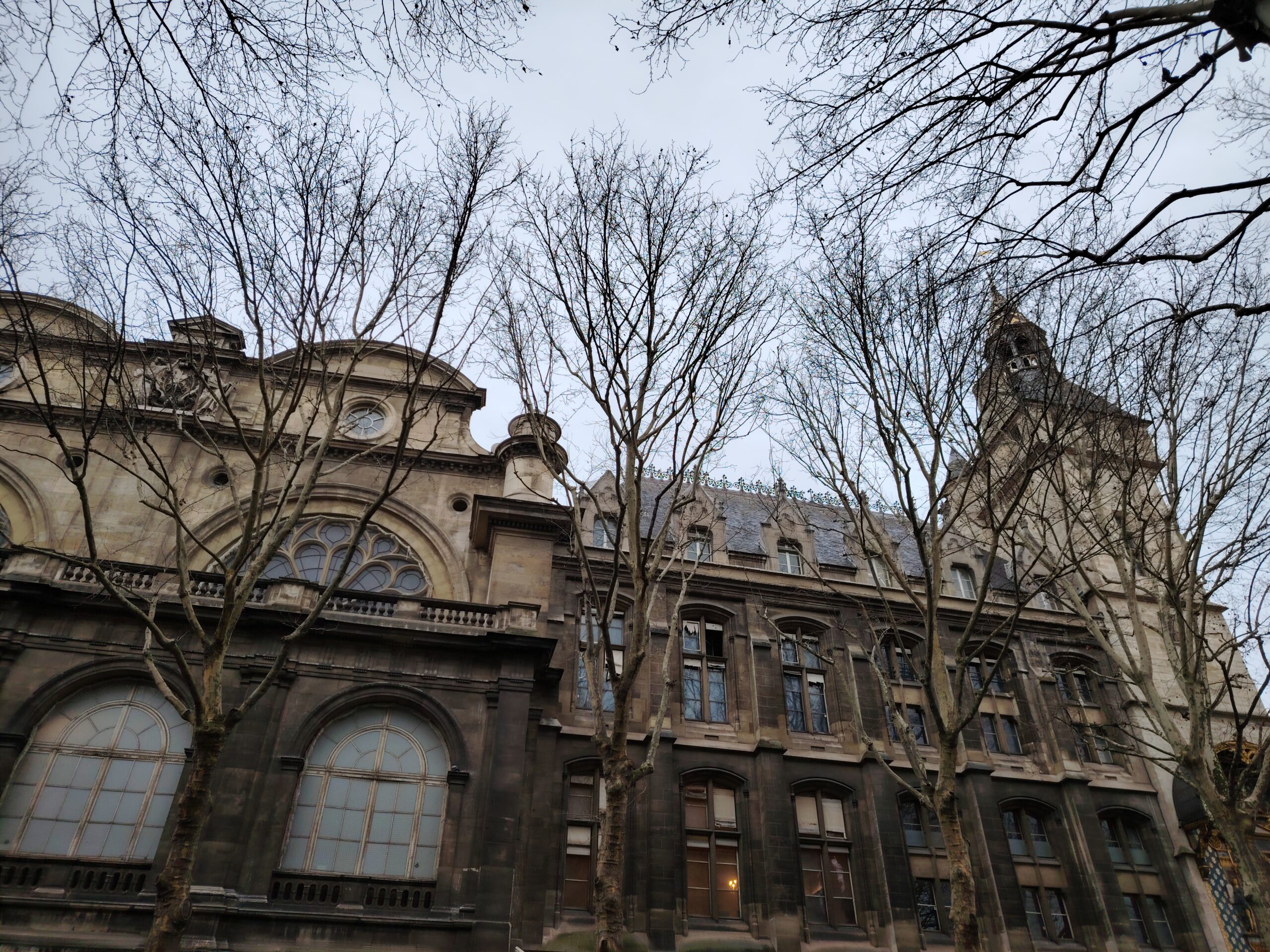
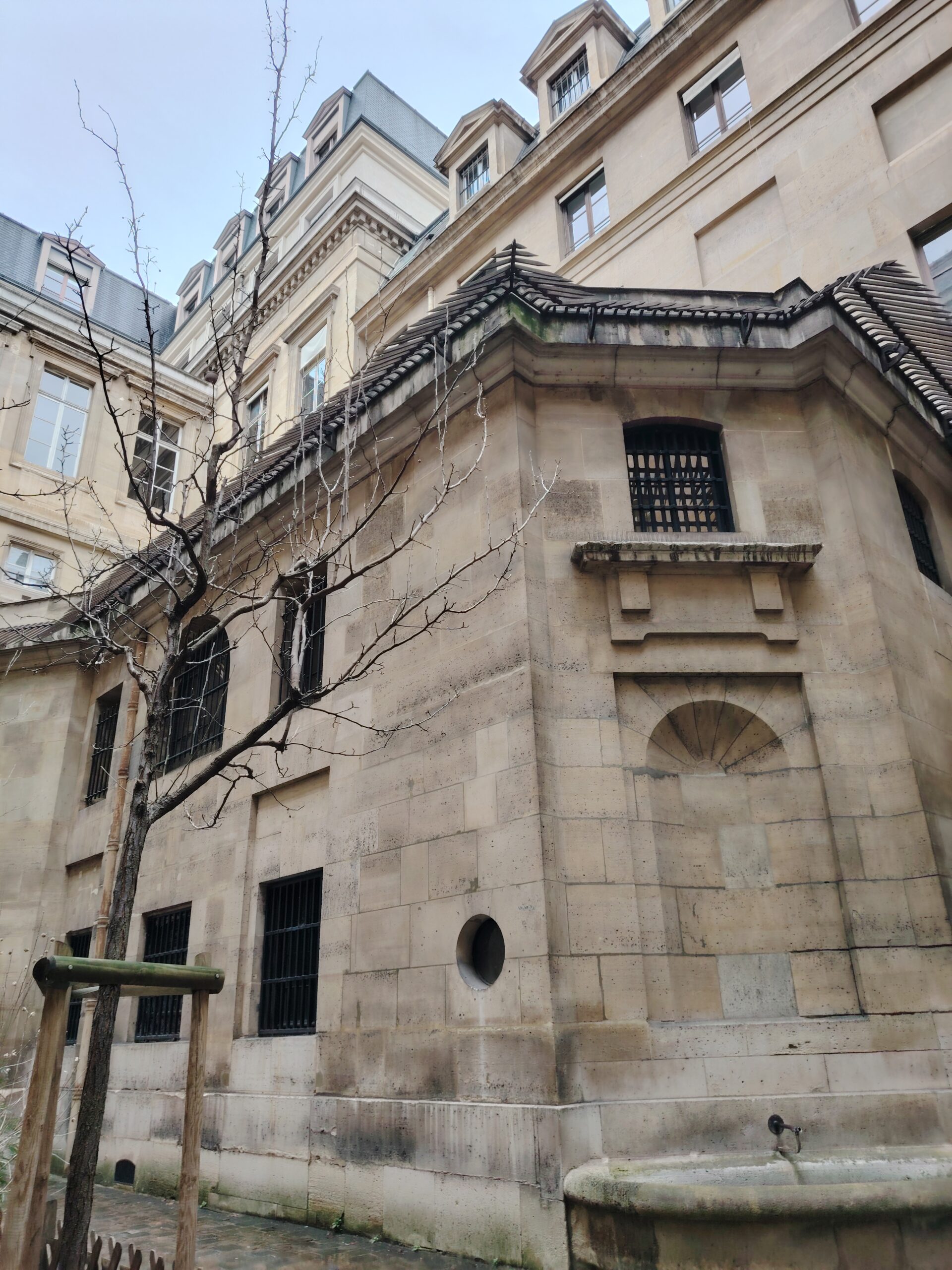
First used as a residence by Roman governors, then by the Frankish kings, the fortress became a palace with the advent of the Capetians at the end of the 10th century.
The Conciergerie is a former courthouse and prison.
It was originally part of the former royal palace, the Palais de la Cité, which also included the Sainte-Chapelle.
The Clock Tower of the Palais de la Cité is a clock tower that stands at the north-east corner of the Palais de Justice in Paris, part of the Conciergerie.
This is the oldest public clock in Paris.
The clock is still in use Fland fixed to the walls of the Conciergerie in the heart of the Ile de la Cité, this clock has been telling the time since 1371. Commissioned by Charles V, this clock marks the king’s time
The Conciergerie is one of the oldest remains of the Palais de la Cité, the residence and seat of power of the kings of France in the Middle Ages.
The Conciergerie is located in the 1st arrondissement.
The closest metro station is Cité, métro line 4.
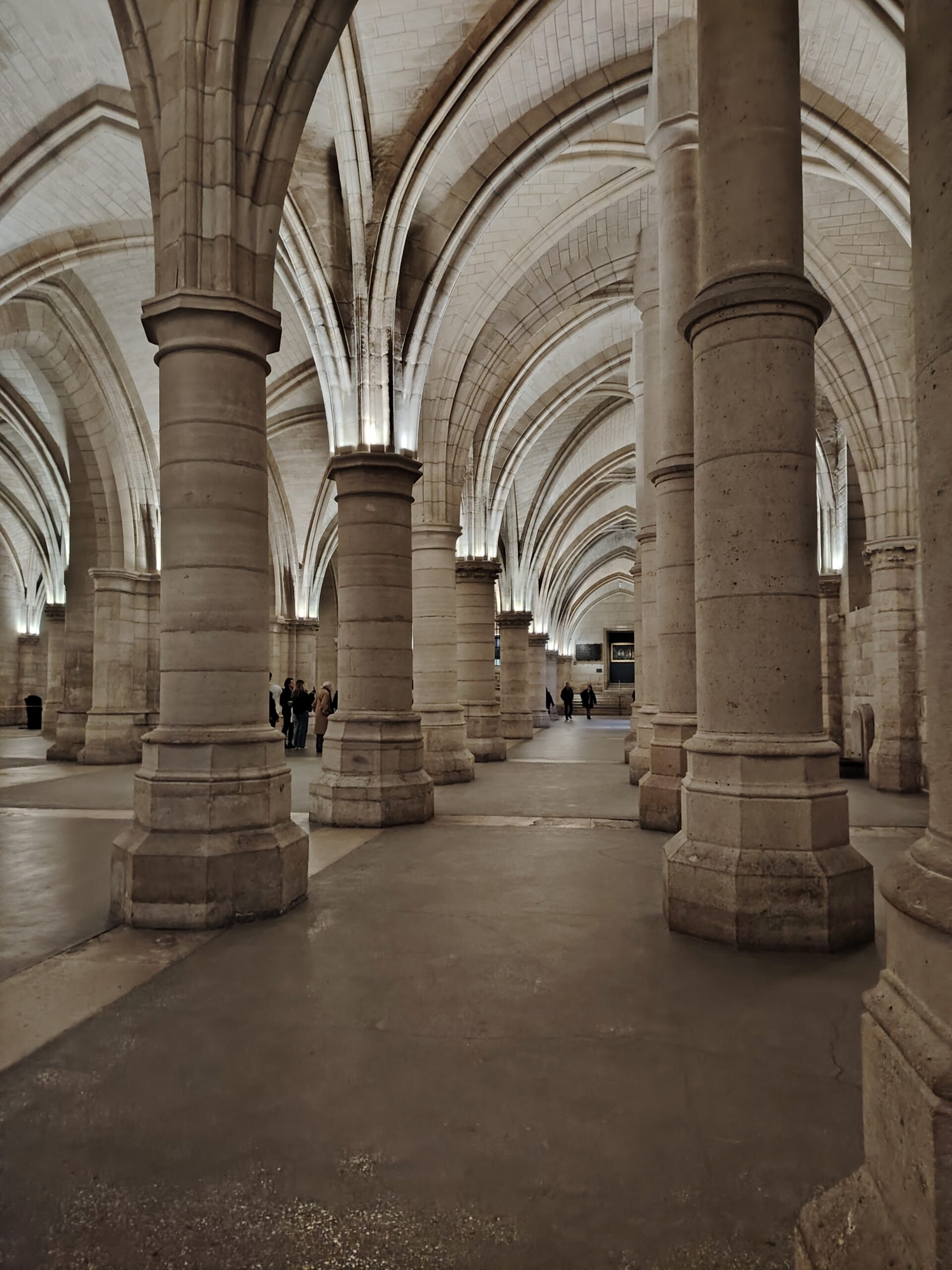
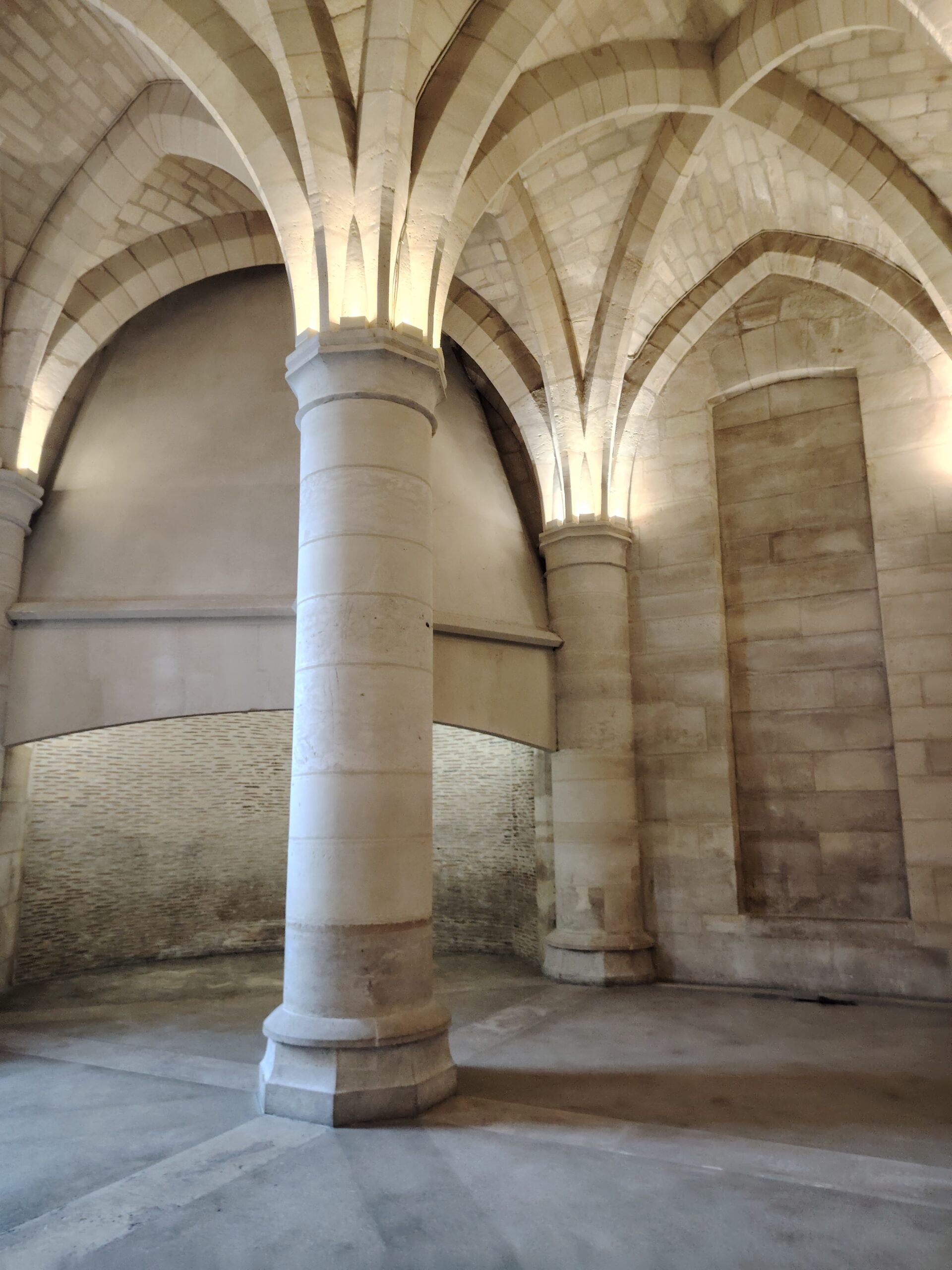
The cavalrymen’s room.
The gards room.
This room Constitutes the foundation of the Great Chamber.
Il originally communicated with the King’s Courtyard or “Small Garden”situated to the West.
The latter was, in particular responsible for reglstering the names of prisonors ontering and leaving prison on the prlson register.
The conciergerie office, the prison director.
The Grooming Room: on the day of their execution,
The condemned prisoners had to have thelr hair cut to facilitate the passage of the gullotine blade.
Facsiniile of the prison register of the Conciergerie.
The keys of the Conciergerie.
The expiatory chapel.
The former cel of Marie-Antoinette.
The former Queen of France, Marie-Antoinette, was transferred from the Temple prison to the Conciergerie on the night of 2 August 1793. She was incarcerated there under a regime of “secrecy” (or isolation) while awaiting her trial, which led to her execution on 16 October 1793.
The chapel.
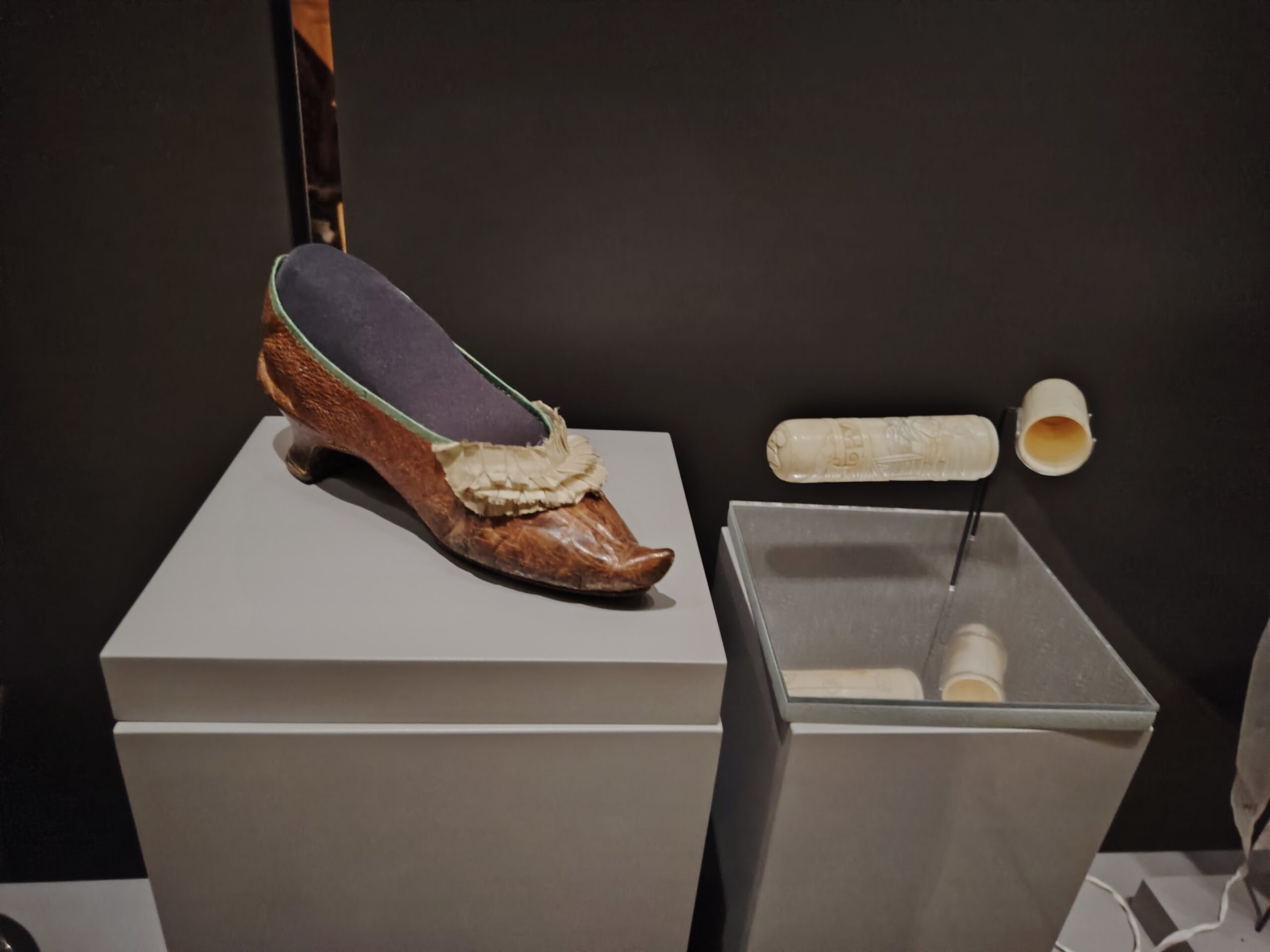
Marie Antoinette'shoe.
The jugement of Marie-Antoinette.
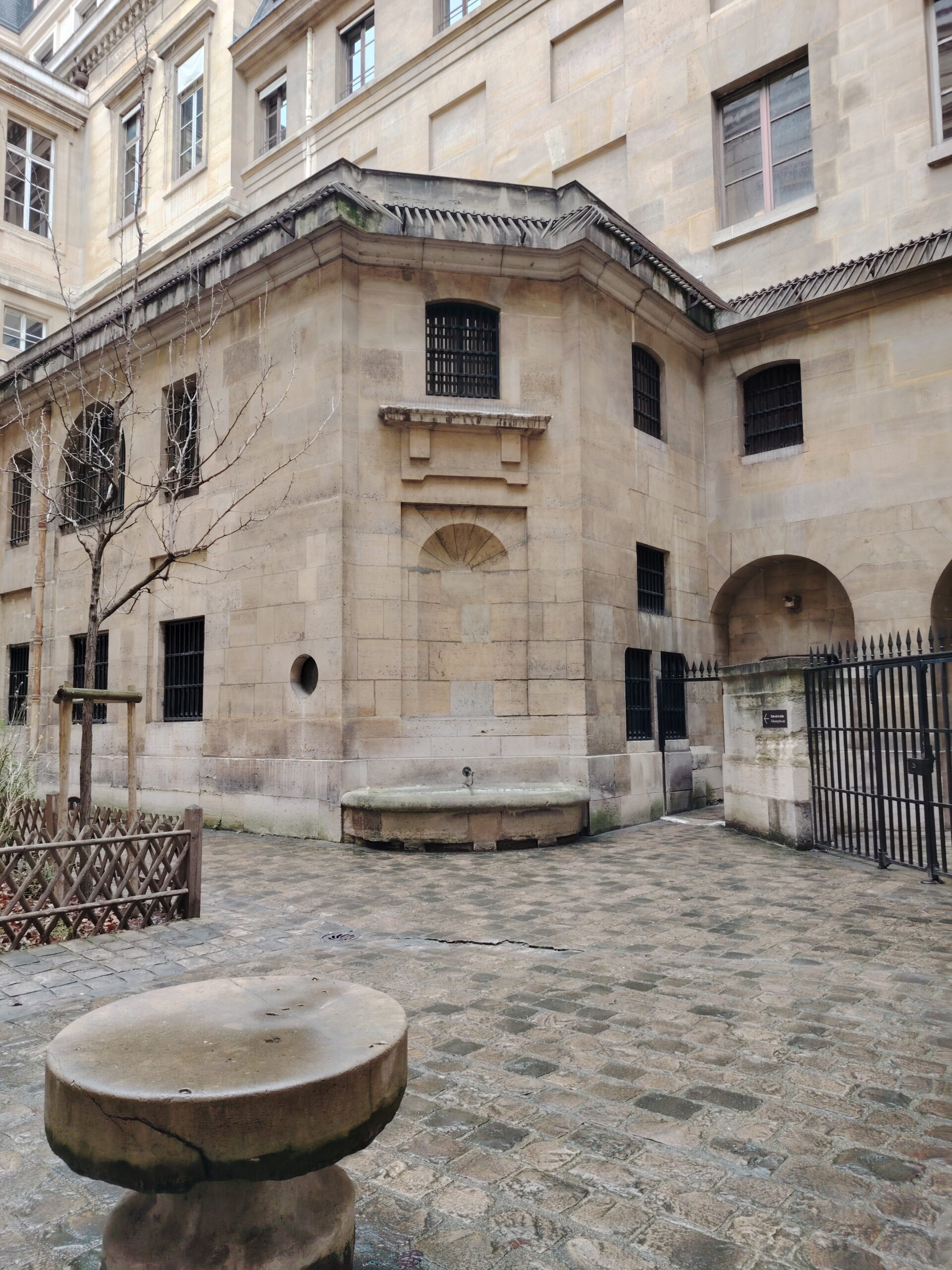
The women’s courtyard.
This is where female prisoners spent most of the day to stave off boredom and anxiety.
All around it are the cell windows.
Water level in 1910.
Remains of the medieval staircase that communicated between The Great Upper Chamber and the Lawer Chamber of the Palais de la Cité.
The kitchen staircase.
The kitchen.
Constructed around 1353, during the reign of ean Il Le Bon, the kitchen pavilion was composed of two identical levels.